The short answer
Disconnect the pump, release all vacuum, and disassemble only the parts named in its manual. Wash reusable skin-contact parts with the water temperature, soap, and method the manufacturer allows; rinse away residue; dry every surface fully; and inspect seals, valves, hose ends, and the cylinder before reassembly. Do not immerse a motor, battery, gauge, charging port, or non-washable hose unless the manual explicitly says that component is waterproof.
Cleaning advice becomes risky when it treats every pump as one piece of plastic. A simple manual cylinder, a water-based pump, a gauge-and-hose system, and a rechargeable unit have different moisture paths and material limits. The manual for your exact model outranks any generic cleaning routine, including this one.
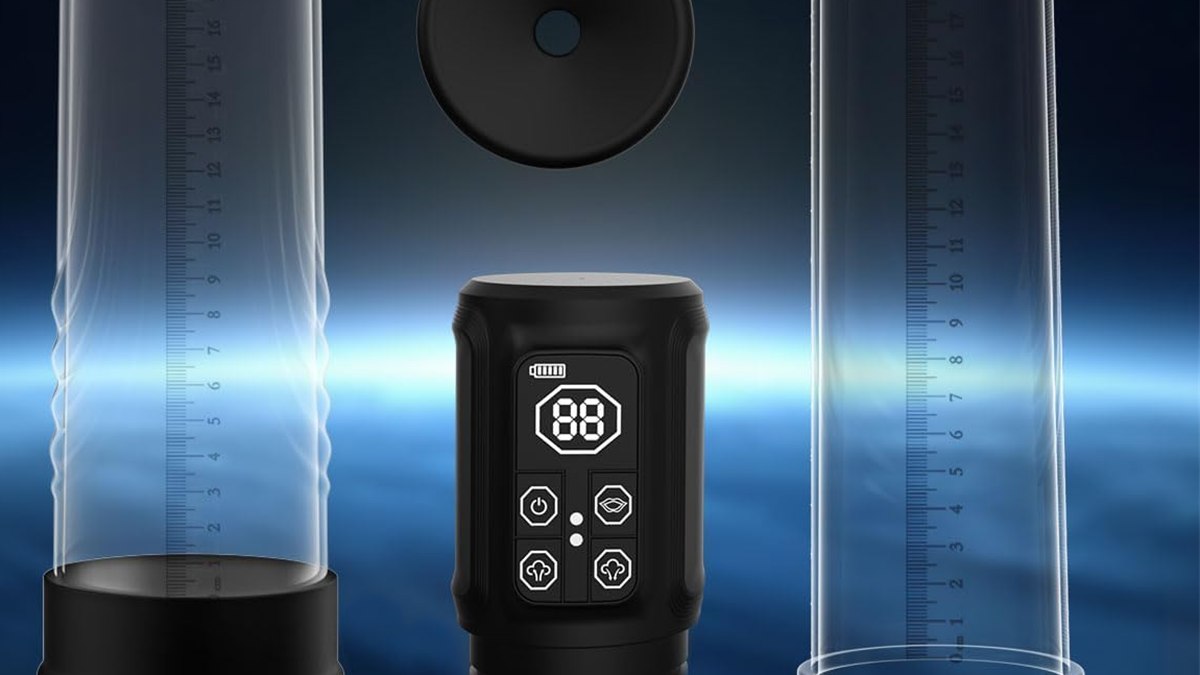
Start with a part map
| Part | Typical cleaning approach | Main risk |
|---|---|---|
| Clear cylinder | Wash and rinse if the manual lists it as removable and washable | Cracks, clouding, scratches, heat distortion |
| Silicone seal or sleeve | Remove if allowed, wash both sides, rinse thoroughly, air-dry | Oil swelling, tears, trapped soap, lint |
| Valve and connector | Wipe or rinse only by the stated method; keep openings clear | Residue that prevents closure or damages a gasket |
| Hose | Keep dry unless the manual specifically gives a flushing method | Moisture reaching a gauge or pump body |
| Motor, battery, gauge, display | Power off and wipe the exterior with a barely damp cloth if permitted | Electrical damage, corrosion, false readings |
| Constriction ring | Follow its separate wash, inspection, storage, and replacement instructions | Material damage that changes elasticity |
A conservative after-use cleaning routine
- End the session and release pressure. Use the normal release control before separating any part. Never pull a sealed cylinder away from the body.
- Power off and unplug. Disconnect charging cables and keep the electrical section away from the sink.
- Separate only approved parts. Do not pry out a fixed valve, sealed gauge, bonded liner, or motor cover.
- Remove visible lubricant first. A soft disposable cloth can lift excess gel before washing. Avoid pushing residue into valve ports or hose openings.
- Wash the reusable skin-contact parts. If the manual permits, use lukewarm water and a small amount of mild, fragrance-free soap. Work around folds and seal lips without stretching them.
- Rinse completely. Soap left on a seal can irritate skin and change how the part grips during the next session.
- Dry in open air. Place parts on a clean lint-free surface with openings exposed. Do not reassemble a damp seal over a closed cavity.
- Inspect before storage. Check for cracks, sharp edges, tackiness, discoloration, loose connectors, blocked release holes, and changes in elasticity.
When the manual is unclear
Ask the seller which parts are waterproof, which soap or cleaner is approved, whether the hose may be flushed, and how replacement seals are identified. Do not discover waterproofing by trial and error.
What not to use without explicit approval
High heat, boiling water, dishwashers, bleach, alcohol, peroxide, fragranced cleaners, essential oils, petroleum products, and abrasive pads can change plastics, cloud a cylinder, swell a seal, strip a coating, or leave skin-irritating residue. A product being safe for a countertop does not make it compatible with a device that touches skin and must remain airtight.
Likewise, do not spray cleaner into a gauge, motor vent, charging port, valve channel, or hose. If fluid enters a powered or measuring component, stop using it and contact the manufacturer. A gauge that appears dry on the outside can still have moisture behind the face or in the pressure path.
How often should each part be cleaned?
Clean skin-contact parts after every use. Inspect the cylinder, seal, and release control before every session. The frequency for internal hose flushing, motor maintenance, filters, or valve servicing must come from the product manual because some systems are designed to stay dry and sealed.
Before first use, wash only the parts the manufacturer tells you to wash. Manufacturing dust or packaging residue may be present, but soaking an assembled device can create a larger problem. For a shared device, the safest approach is not to share skin-contact or constriction parts; follow any clinical or manufacturer disinfection protocol that applies.
Drying matters as much as washing
Trapped moisture can create odor, surface film, corrosion, or unreliable seals. Shake off excess water without snapping the part, blot the exterior with a lint-free cloth, and let the interior dry with air circulation. Avoid direct high heat, radiators, hair dryers, and prolonged strong sunlight unless the manual allows them.
Store parts only when fully dry. Keep seals relaxed rather than folded under weight, cap openings if the manufacturer supplies caps, and keep the kit away from dust, oils, sharp objects, and temperature extremes.
When a part should be replaced instead of cleaned
- A cylinder has a crack, sharp chip, deep scratch, or permanent clouding that prevents inspection.
- A silicone seal is torn, sticky, swollen, hardened, permanently stretched, or no longer sits evenly.
- A hose is kinked, cloudy inside, loose at the connector, or shows moisture that cannot be removed by the approved method.
- A release valve sticks, closes inconsistently, or is blocked by residue.
- A powered unit, gauge, or display behaves differently after moisture exposure.
Cleaning cannot restore a damaged pressure path. Repeated loss of vacuum after a clean, dry reassembly should be diagnosed with the seal, valve, connector, and cylinder leak tests.
Cleaning and skin symptoms
Stop using the device if you develop a new rash, burning, broken skin, discharge, persistent swelling, or pain. Possible causes include cleaner residue, lubricant sensitivity, friction, excessive pressure, or an unrelated skin condition. Let the skin recover and seek medical advice when symptoms are significant or do not resolve.
Bottom line
Clean by component, not by assumption. Wash reusable skin-contact parts by the exact manual, keep powered and measuring parts dry unless they are explicitly waterproof, rinse away residue, dry fully, and replace damaged seals or cylinders. A clean device should also be easy to inspect and release immediately.
Frequently asked questions
Can I wash a penis pump with soap and water?
Only the parts the manual identifies as washable. Mild fragrance-free soap and lukewarm water may be suitable for some removable cylinders and silicone seals, but powered units, gauges, hoses, valves, and coatings may need a different method.
Can I submerge an electric penis pump?
Do not submerge a motor, battery, display, gauge, or charging port unless the manufacturer explicitly rates that exact assembled component as waterproof and gives immersion instructions.
Should I clean a penis pump after every use?
Clean reusable skin-contact parts after every use and inspect the seal, cylinder, and release control before the next session. Follow the manual for hose, valve, filter, and powered-unit maintenance.
Can I use alcohol or bleach on a penis pump?
Not unless the manufacturer specifically approves the product, concentration, contact time, and rinse method. Strong disinfectants can damage plastics and silicone or leave skin-irritating residue.
How do I know when a pump seal needs replacing?
Replace a seal that is torn, sticky, swollen, hardened, permanently stretched, uneven at the base, or unable to hold vacuum after correct cleaning and installation.
Sources and further reading
- National Institute of Diabetes and Digestive and Kidney Diseases. Treatment for erectile dysfunction.
- Electronic Code of Federal Regulations. 21 CFR 876.5020 - External penile rigidity devices.
- National Health Service. Erectile dysfunction: causes and treatments.
- The Ohio State University Wexner Medical Center. Patient education on vacuum erection device use.
Inspectable parts make maintenance easier
See the current TopMan system, including its clear cylinder, three S/M/L body-side seals, controlled release, maintenance kit, $199 price, and complete course.
Explore the pump system