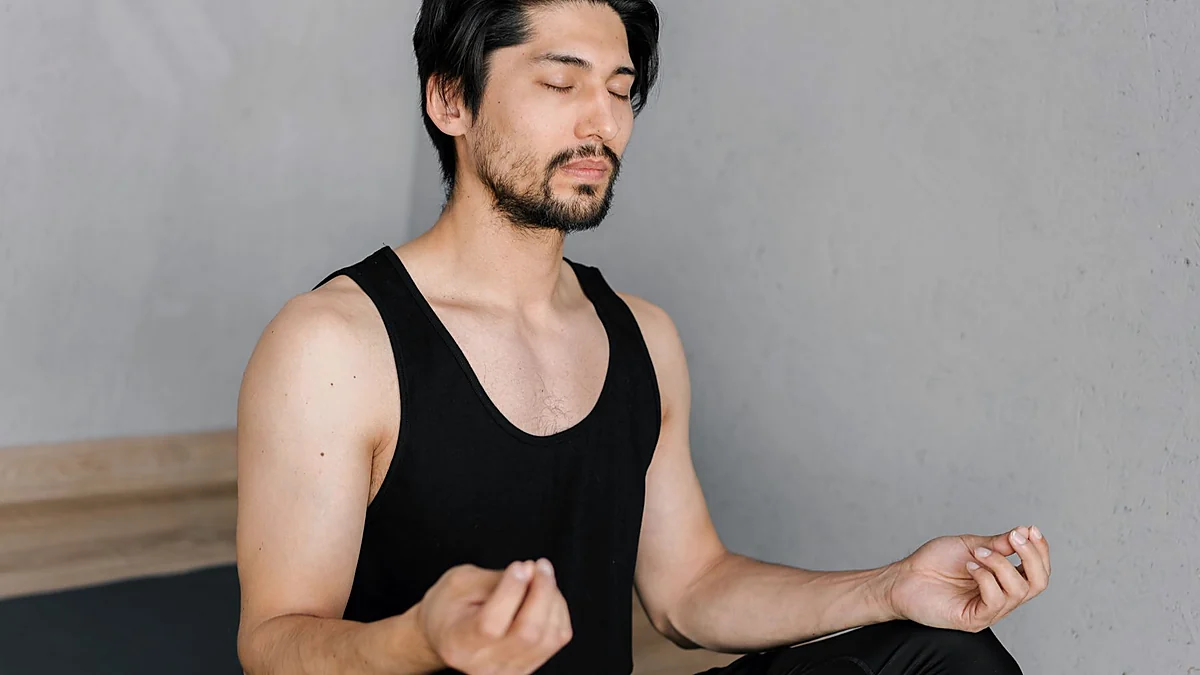
Many men hear that stronger pelvic floor muscles improve erection control and immediately start squeezing harder. That can be the wrong move when the muscles are already tense. A reverse Kegel is a gentle lengthening or relaxation of the pelvic floor during an easy breath. It is not a forceful push, a bearing-down manoeuvre, or a substitute for diagnosis.
Stop if you create pressure or pain
Reverse Kegels should feel like release, not strain. Stop if you feel rectal pressure, pelvic pain, urinary burning, numbness, or worsening symptoms. Persistent pelvic symptoms deserve an assessment by a qualified clinician.
What the pelvic floor does
The pelvic floor supports the bladder and bowel, contributes to urinary control, and helps coordinate erection and ejaculation. It works with the diaphragm, abdominal wall, hips, and nervous system. Healthy function requires both contraction and relaxation. A muscle that never releases can be weak in practice because it cannot respond smoothly to a new demand.
Symptoms of excess tension can include pelvic aching, pain after ejaculation, urinary urgency, difficulty starting the stream, a feeling of incomplete relaxation, or an erection that is affected by anxiety and clenching. These symptoms overlap with other conditions, so an exercise article cannot identify the cause.
A gentle breathing-based practice
- Settle the body. Lie on your back with knees supported or sit with both feet on the floor. Let your jaw, shoulders, and abdomen soften.
- Find a quiet inhale. Breathe in through the nose without lifting the shoulders. Imagine the lower ribs widening rather than pushing the stomach out aggressively.
- Allow release. During the inhale, imagine the sit bones becoming heavy and the area between the pubic bone and tailbone widening. Do not bear down.
- Exhale normally. Let the pelvic floor return to neutral without squeezing. Five slow breaths are enough for a first session.
- Repeat conservatively. Practice for two to five minutes once or twice daily. Progress only when the exercise remains comfortable and does not aggravate urinary or sexual symptoms.
Reverse Kegel versus bearing down
Bearing down increases abdominal and pelvic pressure and can worsen hemorrhoids, pelvic pain, or a sense of heaviness. A reverse Kegel is smaller: think of reducing effort, not creating force. If you cannot tell the difference, a pelvic health physical therapist can provide feedback and individual instruction.
How it fits with strengthening
Some men need strength; others first need coordination and relaxation. A balanced program may use a light contraction followed by a longer release, but the right balance depends on symptoms. Our pelvic floor guide explains why relaxation belongs beside strengthening. Do not add high-volume Kegels to a painful, already-tight pelvic floor.
Use the simplest success test: after practice, urination and sexual activity should feel the same or easier, not more tense. Symptoms that consistently worsen over one to two weeks are a reason to stop and seek care.
When to seek an evaluation
Arrange medical advice for persistent pelvic pain, blood in urine or semen, fever, discharge, new testicular pain, inability to urinate, or symptoms following an injury. A clinician may consider the prostate, urinary tract, nerves, hips, and pelvic muscles rather than assuming that one exercise is the answer.
Frequently asked questions
Can reverse Kegels make the penis larger?
No. They are a coordination and relaxation exercise, not a proven method of permanent enlargement. They may help some men reduce tension that interferes with comfort or erection quality.
Should I practice during an erection?
Start when relaxed. Once you understand the feeling, a clinician may help you apply the coordination during sexual activity, but do not force a technique that causes pain or loss of erection.
How long until I notice a difference?
Some people notice relaxation immediately; others need several weeks of consistent, gentle practice. Lack of improvement is not a reason to add force.
Sources and further reading
- Dorey G, Speakman M, Feneley R, Swinkels A, Dunn M, Ewings P. Pelvic floor muscle exercises for erectile dysfunction. BJU International. 2005. PMID 16104916
- European Association of Urology. Sexual and Reproductive Health Guidelines.
Prefer a structured, safety-first plan?
Explore the Jelqing Mastery Course for organized lessons, recovery guidance, and clear stop rules.
View the course