The short answer
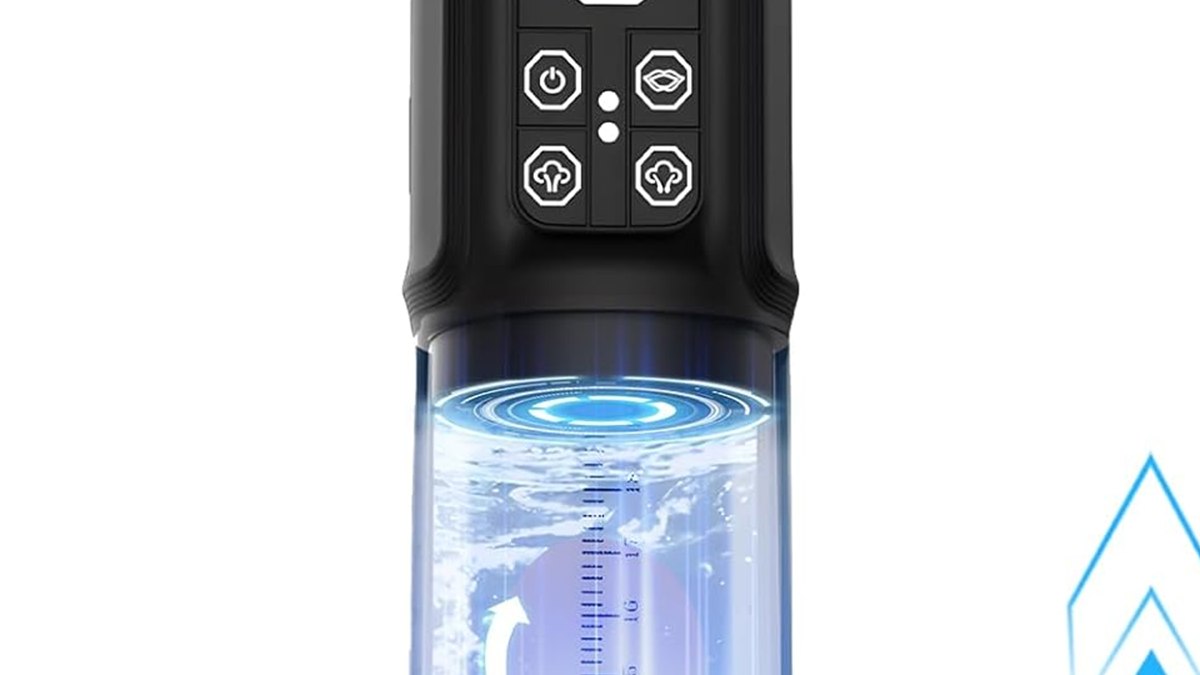
A water penis pump and an air pump create vacuum through different session setups. A water system is built around filling or purging water and usually belongs in a bath or shower routine. An air system creates vacuum without filling the cylinder, so setup, leak testing, drying, and use outside the bathroom may be simpler. Neither category is automatically safer or more effective. Fit, an immediate release, gradual control, cleaning instructions, and the exact intended use matter more than the medium.
Searches for a water pump often begin with a brand name, while the real decision is about the device category. Comparing categories first prevents a familiar logo, a dramatic pressure claim, or a low price from hiding the parts that determine daily usability.
What water and air actually describe
The labels describe what occupies the cylinder and how the vacuum path is prepared. A water-based system uses water as part of the session. Its instructions may require filling the chamber, removing trapped air, seating the base, and operating the pump in a wet environment. A dry-air system removes air from the chamber through a hand mechanism, bulb, powered unit, or another documented control.
That difference does not tell you whether the device is manual or powered, whether it has a gauge, or whether it is intended as a medical vacuum erection device. Those are separate questions. The electric versus manual pump comparison covers how vacuum is generated; this guide covers the water-versus-air session environment.
Water penis pump vs air pump at a glance
| Decision point | Water system | Air system |
|---|---|---|
| Typical setting | Bath or shower area where filling and draining are practical | Any private setting allowed by the manual, without filling the chamber |
| Setup | Fill or purge water, remove trapped air as instructed, then establish the body seal | Inspect the dry pressure path, establish the seal, then create vacuum |
| Leak clues | Water loss, bubbles, changing fluid level, or loss of vacuum | Hissing, connector movement, seal lift, valve leakage, or loss of vacuum |
| Cleanup | Drain, wash approved parts, and dry all water paths fully | Clean skin-contact parts and keep unapproved hoses, gauges, and motors dry |
| Travel | Requires a practical water source and a plan for drying before packing | Usually easier to pack dry, but may include a hose, bulb, charger, or powered head |
| Primary question | Does a wet routine fit your bathroom and maintenance habits? | Does a dry setup give you the control and portability you want? |
Routine fit is the first real difference
A device that works only when you have time for a shower is a poor fit for someone who needs a short, portable setup. The reverse is also true: a user who prefers warm-water preparation may find a dry chamber less natural. Think through the full sequence, including setup, use, release, cleaning, drying, and storage. Marketing photos usually show only the middle of that sequence.
Before buying, locate the current manual and answer four questions: where can the device be used, which parts contact water, how is pressure released immediately, and how long must the device dry before storage? If those instructions are missing, the product page has not resolved the practical decision.
Pressure feedback is separate from the medium
Water does not create an automatic pressure limit, and air does not automatically mean uncontrolled vacuum. Control depends on the pump mechanism, release design, chamber volume, seal, indicator, and user technique. Some systems provide a gauge or digital display; others rely on a documented sequence and a manual release.
A display is useful only when its units, response, and reset behavior are clear. It cannot tell you whether the seal is pinching, whether tissue is being drawn unevenly, or whether sensation is changing. If an indicator stays at zero, freezes, or fails to return to rest, stop the session and use the gauge diagnostic sequence instead of adding more vacuum.
Seal behavior can feel different
Both categories need an airtight body-side seal. Water may change how a sleeve slides and how easily small gaps produce bubbles. A dry system may make a slow hiss or edge lift easier to notice. In either case, the tightest opening is not automatically the best fit. The goal is stable contact at gentle vacuum without sharp pressure, trapped skin, or surrounding tissue being pulled into the chamber.
Published internal cylinder dimensions and body-side seal dimensions are more useful than labels such as small, standard, or large. Confirm whether a size option is a different cylinder or only a different seal opening. Our cylinder and seal sizing guide separates those measurements.
Cleaning and drying create different workloads
A water system places moisture close to valves, seals, connectors, and sometimes a control head. The manual should identify which parts detach, which parts may be immersed, and how the water path drains. Trapped moisture can affect seals, create odor, and damage components that were never designed for immersion.
An air system still needs cleaning after skin contact. Lubricant residue can collect around the base seal, valve, or connector, and aggressive cleaners can damage plastics or elastomers. Do not assume a powered unit, gauge, hose, or charging port is washable. The part-by-part cleaning guide provides a component checklist for both categories.
Leak testing is easier when you name the failure
Separate three problems: vacuum never forms, vacuum forms but falls, or the chamber changes while the indicator does not. In a water system, trapped air or an incomplete purge may change the feel of the session. In an air system, a connector or release valve may be easier to isolate while the device is dry. Neither pattern should be corrected by forcing more pump cycles.
- Release completely and return the device to its normal rest state.
- Check the manual assembly order and confirm the release is closed for operation.
- Inspect the cylinder, seal, valve, hose, and connectors for damage or residue.
- Reassemble dry or wet exactly as the device requires.
- Change one variable at a time and stop if the body shows a warning sign.
For a full component order, use the vacuum leak troubleshooting guide.
Safety depends on the intended use
NIDDK and NHS describe vacuum devices as options for erectile dysfunction, and the federal device rule addresses external penile rigidity devices. A medical VED workflow may include a documented constriction ring used after vacuum creates an erection. A consumer water or air pump may have a different intended use and package. Do not assume that every pump follows the medical workflow or that a body-side seal is a constriction ring.
Stop signs apply to both categories
Release immediately for pain, numbness, coldness, blue or dark color, bleeding, rapid swelling, or trapped tissue. Ask a clinician before use when you take anticoagulants, have a bleeding disorder or reduced sensation, or are recovering from pelvic, prostate, or penile surgery.
Buyer checklist
- Exact internal cylinder dimensions and clearly labeled seal options.
- An immediate release that remains reachable throughout the session.
- A complete current manual, including water exposure and drying limits.
- Documented gauge units or indicator behavior when a display is included.
- Replacement seals, valves, hoses, chargers, or other model-specific parts.
- A delivered-price calculation that includes shipping and maintenance items.
- A clear intended use and evidence matched to that exact device and goal.
How this supports a Bathmate-alternative decision
If you reached this comparison while searching for a Bathmate alternative, decide whether you want a wet bathroom routine or a dry, more portable routine before comparing brands. Then use the water-pump buyer guide for water-specific checks or the electric-versus-manual guide for the control mechanism. This keeps three different decisions from collapsing into one brand ranking.
TopMan product disclosure
The current TopMan Pro Extender Pump System costs $199 and includes one clear cylinder, three S/M/L body-side seals, controlled pressure release, a maintenance kit, and the complete Jelqing Mastery Course with 13 topic modules and 34 private lessons. It is a separate vacuum pump system, not a Bathmate-branded water cylinder. Compare its exact manual, fit, controls, and cleaning requirements against the checklist above.
Bottom line
Choose water or air by the complete routine, not by a claim that one medium is universally stronger or safer. A water system must make filling, release, drainage, and drying practical. An air system must make its dry pressure path, controls, and leak points clear. In both categories, fit, immediate release, conservative use, and maintainable parts decide whether the device belongs in your routine.
Frequently asked questions
Is a water penis pump better than an air pump?
Neither category is universally better. A water pump fits a bath or shower routine, while an air pump may be easier to use, inspect, and pack outside the bathroom. Fit, release, control, cleaning, and intended use matter more than the medium alone.
Is a water penis pump automatically safer?
No. Water does not create an automatic safety limit. Seal fit, gradual vacuum, immediate release, device condition, and user technique matter in both water and air systems.
Do air penis pumps need lubricant?
Many body-side seals use a small amount of compatible water-based lubricant, but the exact product and amount are device-specific. Follow the manual and avoid petroleum products unless the manufacturer explicitly approves them.
Which type is easier to clean?
Air systems may have fewer wet paths, but their skin-contact parts still need cleaning. Water systems require reliable drainage and drying. The easier device is the one with clear component-specific instructions and accessible replacement parts.
Can a water or air pump create permanent enlargement?
Vacuum creates temporary expansion and has established erectile-function uses. Strong evidence does not establish predictable permanent enlargement from routine consumer pumping, regardless of whether water or air is used.
Sources and further reading
- National Institute of Diabetes and Digestive and Kidney Diseases. Treatment for erectile dysfunction.
- Electronic Code of Federal Regulations. 21 CFR 876.5020 - External penile rigidity devices.
- National Health Service. Erectile dysfunction: causes and treatments.
- The Ohio State University Wexner Medical Center. Patient education on vacuum erection device use.
Compare the complete routine
Review the TopMan system's clear cylinder, three S/M/L body-side seals, controlled release, maintenance kit, included course, and current $199 price.
Explore the pump system