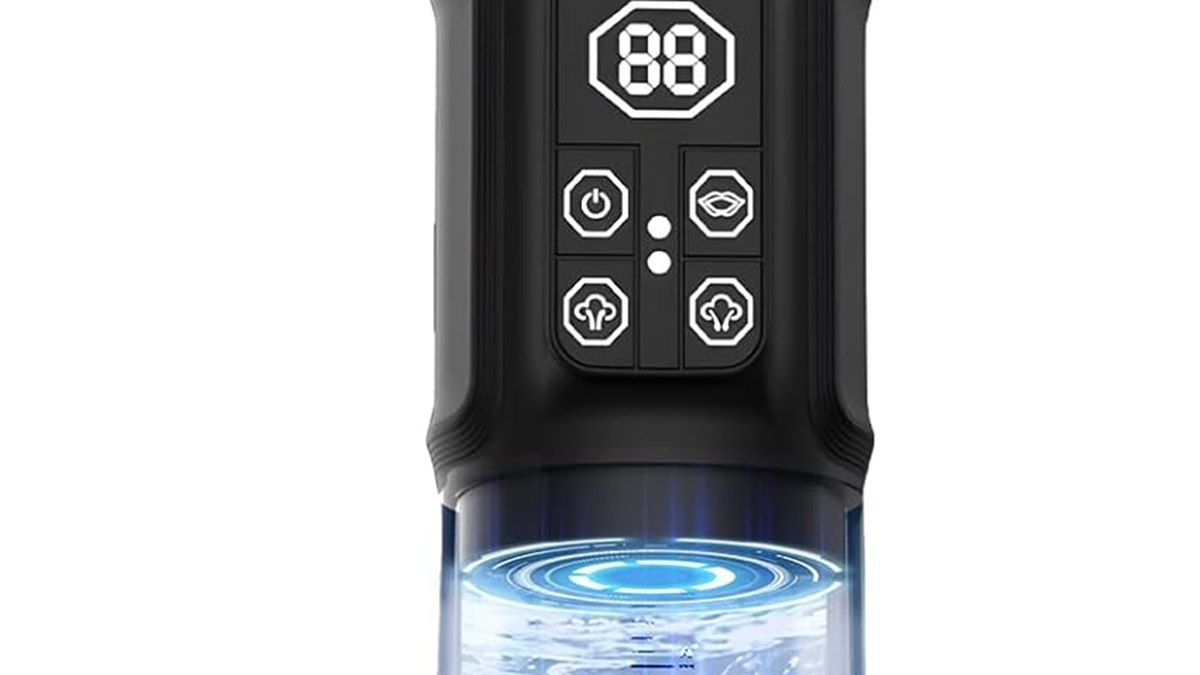
The short answer
Read the manual for your exact hydropump, inspect the cylinder and release before use, choose the correct seal, fill and position the device as instructed, and increase vacuum gradually. Pause to check comfort, color, temperature, and sensation. Release immediately for pain, numbness, coldness, dark color, tissue trapping, bleeding, or rapid swelling. There is no universal pressure number or session length that is safe for every water-based pump and every user.
A hydropump uses water in the chamber and is commonly designed for bath or shower routines. Water can make the seal feel different and can hide small leaks, but it does not protect tissue from excessive vacuum. The most important controls remain fit, gradual pressure, a reachable release, short conservative first sessions, and recovery.
Before the first session
- Confirm the device category. A consumer water pump, a dry-air pump, and a medical VED may have different instructions and goals.
- Read the complete manual. Identify the pressure release, fill method, approved lubricant, cleaning process, and contraindications.
- Inspect every pressure part. Look for cracks, sharp edges, folded seals, loose connectors, blocked release holes, and damaged valves.
- Choose the correct seal. It should make continuous contact without pinching or pulling surrounding tissue into the opening.
- Prepare a stable environment. Wet floors and soap create fall hazards. Keep the release reachable and do not use the device when distracted.
A conservative hydropump sequence
1. Warm the body, not the device
Comfortably warm water may help relaxation, but avoid water hot enough to numb the skin or make redness hard to judge. Do not heat the pump with boiling water, a radiator, or a hair dryer.
2. Fill and purge air by the manual
Water pumps differ in how they are filled and oriented. Follow the stated sequence so trapped air does not create unexpected pressure behavior. Do not block the release or modify a valve to stop drips.
3. Seat the base evenly
Place the opening squarely against the body with the amount and type of lubricant the manual permits. Excess gel can migrate into a valve, while too little can create friction. If surrounding skin is drawn in, release and reposition rather than tolerating it.
4. Increase vacuum slowly
Use small adjustments and pause between them. A tight sensation is not a target. The goal is controlled contact without pain, burning, numbness, coldness, dark color, or a hard pull at one edge of the seal.
5. Recheck instead of adding pressure
If vacuum seems weak, inspect the seal, angle, valve, and water path. Do not assume more pumping is the answer. The vacuum troubleshooting guide separates a slow leak from a pump fault.
6. Release before repositioning
Use the normal release until the cylinder separates without force. Never twist, yank, or pull against active vacuum. Reposition only after normal sensation and color are confirmed.
7. End conservatively
Follow the model-specific limit and use less during early familiarization. Longer and stronger are not automatically better. Record what you used and how the tissue looked and felt after release.
| Signal | Meaning | Action |
|---|---|---|
| Even, comfortable contact | Seal and angle may be appropriate | Hold only within the manual and continue monitoring |
| Air or water enters at one edge | Uneven seal, hair, angle, or wrong opening | Release fully, clean the contact area, and reseat |
| Sharp pinch or tissue trapping | Seal opening, angle, or pressure problem | Release immediately and do not continue through pain |
| Red pinpoints or bruising | Capillary stress from pressure, time, fit, or medication risk | Stop and allow full recovery; seek advice if significant |
| Numbness, coldness, blue or dark color | Circulation or nerve warning | Release immediately and seek urgent care if it does not resolve promptly |
Pressure: use control, not a universal number
Online pressure targets are often copied between devices with different gauges, units, chamber volumes, seals, and intended uses. A number from another brand is not a safe operating instruction. Follow the manual for your exact model and treat discomfort or altered sensation as a stop signal even when the display appears low.
If a gauge stays at zero, freezes, or does not return to rest, stop using pressure as a guess. Diagnose the display, sensor, power, hose, valve, and seal with the gauge troubleshooting guide.
Who should ask a clinician before use?
Get individualized advice if you take anticoagulants, have a bleeding disorder, sickle cell disease, reduced genital sensation, significant curvature, an active skin problem, or recent pelvic, prostate, or penile surgery. Men using a VED for erectile-function rehabilitation should follow the clinician and device plan rather than a consumer enlargement routine.
Stop signs are not a conditioning phase
Pain, numbness, coldness, blue or dark color, bleeding, broken skin, severe bruising, rapid swelling, or a new deformity are reasons to stop. Persistent or severe symptoms need medical assessment, not more lubrication or a tighter seal.
Aftercare and cleaning
Release completely, inspect the skin in good light, and let normal sensation and color return. Clean skin-contact parts after every use. Water-based devices can trap moisture around valves and seals, so disassemble only approved parts and dry them fully. The part-by-part cleaning guide explains how to keep motors, gauges, and hoses dry unless the manual explicitly states otherwise.
Choose the routine before the brand
The water versus air comparison separates bathroom setup, leak clues, cleaning, and portability. The electric versus manual comparison then separates motor control, hand effort, charging, release, and maintenance.
Before buying, use the pump kit checklist to verify every supplied part. If pressure feedback is a deciding factor, compare gauge and no-gauge systems separately from the water-versus-air decision.
Choosing between a hydropump and another system
A water pump suits users who prefer a bath or shower routine and can clean and dry it consistently. A dry-air system may be easier to inspect and use outside the bathroom. A medical VED is the relevant category when erectile-function support and a documented constriction-ring workflow are the main goals. Compare those paths in the Bathmate alternatives decision guide.
Bottom line
Safe hydropump use is a controlled sequence: inspect, fit, fill, build vacuum gradually, check tissue, release fully, recover, clean, and record. Never chase pressure or copy another device's numbers. The correct session is the one that stays within the exact manual and ends before warning signs appear.
Frequently asked questions
How do I use a hydropump safely?
Follow the exact manual, inspect the pump and release, use the correct seal, increase vacuum gradually, monitor color and sensation, release before repositioning, and stop for pain, numbness, coldness, dark color, bleeding, or rapid swelling.
How much pressure should I use in a water-based penis pump?
There is no universal pressure number for every pump and user. Gauges, units, chamber sizes, seals, and intended uses differ. Follow the model-specific instructions and stop for discomfort or altered sensation even if the displayed number appears low.
Can I use a hydropump every day?
Use only the frequency and recovery schedule stated for your device and situation. Daily use is not automatically appropriate, especially after bruising, soreness, numbness, skin irritation, or recent surgery.
Why does my hydropump lose suction?
Common causes include an uneven body seal, hair or lubricant at one edge, a folded sleeve, an open release, trapped debris, a worn gasket, or a damaged cylinder. Release fully and test one component at a time.
Is a hydropump the same as a medical vacuum erection device?
Not necessarily. A medical VED is intended for erectile-function support and may include a documented constriction-ring workflow. A consumer water pump may have a different intended use, controls, and evidence.
Sources and further reading
- National Institute of Diabetes and Digestive and Kidney Diseases. Treatment for erectile dysfunction.
- Electronic Code of Federal Regulations. 21 CFR 876.5020 - External penile rigidity devices.
- National Health Service. Erectile dysfunction: causes and treatments.
- The Ohio State University Wexner Medical Center. Patient education on vacuum erection device use.
Compare water and dry-vacuum systems
Use the verification-first guide to compare fit, release, cleaning, parts, guidance, and current total cost before buying.
Compare Bathmate alternatives